Alpha Readers vs. Beta Readers: What They Are and What to Ask
November 21, 2026 · Equipo Style Optimizer
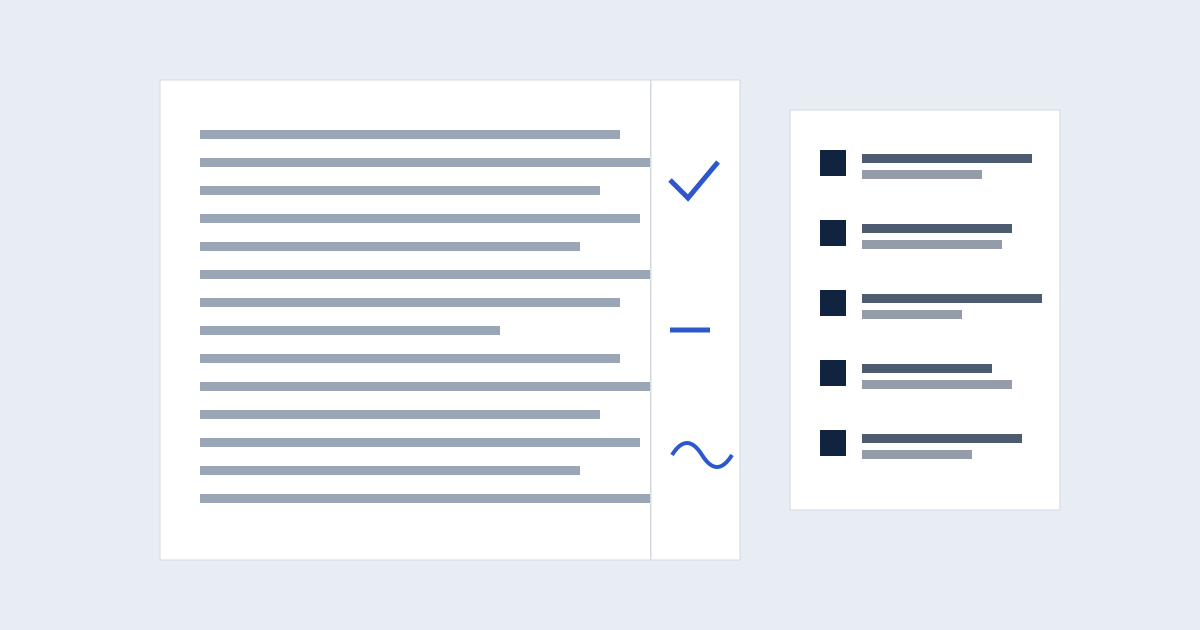
An alpha reader is the first person to read your manuscript once the draft is finished, before any agent, editor or contest sees it. They read as a reader rather than a copyeditor and tell you what the experience was like: where they got hooked, where they got bored, what they didn’t understand. It’s your book’s first test outside your own head.
This guide explains how an alpha reader differs from a beta reader and from an agent’s or publisher’s reader, how to choose one, when to hand over the draft and what to ask. At the end you’ll find ten questions to send along with the manuscript.
Alpha readers vs. beta readers
Many writers use the two terms interchangeably. When they’re kept apart, the difference is timing: the alpha reader reads the complete first draft, and is often a single person you trust deeply; beta readers read a revised version, usually come in a group and look more like the book’s eventual audience. Some writers also call a critique partner who reads chapter by chapter, while the draft is still in progress, an alpha reader. Where to find beta readers and what to ask them is covered in beta readers.
| Alpha reader | Beta reader | Agent’s or publisher’s reader | Copyeditor | |
|---|---|---|---|---|
| Reads for | The author | The author | The agency or publisher | The author or the publisher |
| When | First draft | Revised draft | When the manuscript is submitted | Before publication |
| What they give you | Their experience as a reader | Several readers’ experiences | Notes and a recommendation to pass or read on | Spelling, grammar and style |
| How many | One or two | Three to ten | One or two | One |
How to choose your alpha reader
- Someone who reads a lot, especially in your genre. A mystery reader will spot a clue that doesn’t fit before anyone else.
- Someone honest. A reader who only praises gives you a false sense that the book is finished.
- Someone who can explain what they feel. “I got bored here” is useful; “I really liked it” almost never is.
- Someone who isn’t afraid of hurting you. Close family members often make the weakest alpha readers, out of affection.
When to hand over the manuscript
When the draft is complete and you’ve revised it once yourself. A text full of typos distracts the reader from what matters at this stage: the story, the characters and the pacing. Give them a comfortable deadline of three or four weeks, and the manuscript in whatever format they prefer to read.
What to ask
Open questions (“What did you think?”) get vague answers. A short questionnaire of eight to twelve questions about the reading experience works better: where they got hooked, which character they remember, what dragged, what they didn’t understand about the ending. Ask them, too, to mark the margin wherever they stopped reading and wherever they couldn’t put it down.
Ten questions for your alpha reader
Copy these, cut the ones that don’t apply to your book and send them with the manuscript:
- At what point did you decide you wanted to keep reading?
- Was there a place where you were tempted to stop? Where?
- Which character will you remember, and why?
- Did any character do something you didn’t believe?
- Which part felt long or slow?
- Which part could you not put down?
- Was there anything you didn’t understand or had to reread?
- Did any dialogue sound unnatural?
- What did you expect to happen before you reached the ending?
- How did the ending leave you, and what question, if any, was left hanging?
For a short story collection, add: which story would you recommend to a friend, and which one could you do without? For nonfiction, ask where the argument lost them and which idea they could explain to someone else.
How to take their feedback
- Listen without defending the book. Ask about anything you don’t understand and take notes; save the explanations for the text.
- Look for patterns. If two readers get lost in the same chapter, the problem is in the chapter.
- Separate the symptom from the cure. The reader knows where they got bored; how to fix it is your call.
- Say thank you in writing. A good alpha reader is worth keeping for several books.
Paid or free alpha readers
Most alpha readers are friends, workshop classmates or fellow writers you swap manuscripts with. There are also paid manuscript critique and assessment services, with rates that vary widely depending on length. Whichever you choose, the goal is the same: reach your beta readers with a stronger draft.
Alpha readers: FAQ
Are alpha readers and beta readers the same thing?
Many writers use the terms interchangeably. When they’re distinguished, the alpha reader reads the first draft and the beta reader reads a revised version.
How many alpha readers do I need?
One or two are enough for a first draft. For the revised version, three to ten beta readers will show you reliable patterns.
Does an alpha reader have to be a writer?
No. What matters is that they read widely and can describe their experience. A writer will also offer technical ideas, which are worth keeping separate from their experience as a reader.
How do I protect my manuscript?
In the US and the UK, copyright protects your work from the moment you create it, with no paperwork. With readers you trust, the risk is minimal. Keep dated versions of your files, and in the US you can register the work with the Copyright Office if you want formal proof.
Once your alpha reader stops finding problems, the next step is a round of beta readers. Here’s where to find them and what to ask.